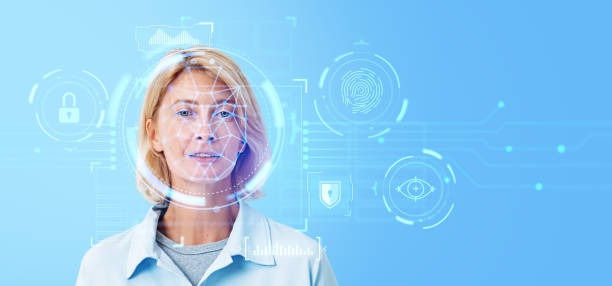
As digital platforms continue to expand, confirming a user’s age has become an important part of online security and access management. From age-restricted content to online services with minimum-age requirements, organizations need reliable ways to determine whether users meet specific eligibility criteria. Traditional methods, such as asking users to enter their date of birth, may not provide sufficient assurance because the information can be inaccurate or deliberately misrepresented.
Modern age verification systems address this challenge by combining artificial intelligence (AI), biometric analysis, and liveness detection. Depending on the implementation, these technologies can help estimate a person’s age, validate identity information, and assess whether a submitted facial sample comes from a real person. Together, they offer a more comprehensive approach to digital age assurance.
How AI Is Changing Age Verification
Artificial intelligence plays an important role in automating age-related checks. Rather than relying entirely on manual reviews or self-declared information, AI-powered systems can analyze facial images, identity documents, and other relevant signals.
One common approach is facial age estimation. Machine-learning models analyze visual characteristics of a face to estimate an individual’s approximate age or age range. The system can then compare that estimate with a required threshold, such as determining whether a user appears to be above or below a specified age.
However, age estimation is not the same as confirming a person’s actual date of birth. Facial appearance varies between individuals, and predictions can be affected by image quality, lighting, camera angles, and other factors. For applications requiring stronger assurance, facial analysis may need to be combined with additional verification methods.
The Role of Biometrics in Age Verification
Biometric technology uses physical or behavioral characteristics to support recognition or verification. In age assurance workflows, facial biometrics can help analyze facial features or compare a user’s face with a reference image from an identity document.
For example, a document-based workflow might extract a date of birth from an identity document and compare the document portrait with a live facial capture. The date of birth provides age-related information, while facial comparison helps assess whether the person presenting the document resembles the person pictured on it.
These checks serve different purposes. Document analysis can provide evidence of a stated age, while facial matching helps evaluate whether the document belongs to the person undergoing verification. Neither process should automatically be treated as infallible.
Organizations should choose a biometric approach that matches the level of assurance required by their application and the applicable legal requirements.
Why Liveness Detection Matters
A facial image alone cannot establish whether a person is physically present during a verification session. Someone might attempt to use a printed photograph, a replayed video, or another artificial presentation to bypass a facial check.
Liveness detection helps address this risk by assessing whether a facial sample appears to originate from a live person rather than a spoofing attempt.
Depending on the implementation, liveness detection may analyze facial movement, changes across video frames, depth-related information, or other signals. Some systems require users to perform a specific action, while passive approaches evaluate available visual information without an explicit challenge.
When integrated into an age verification workflow, liveness detection can strengthen confidence in the facial sample being analyzed. However, its results should be considered alongside other verification signals rather than treated as a guarantee against every form of attack.
Addressing Deepfakes and Synthetic Media
Advances in generative AI have made it easier to create realistic synthetic faces, alter facial images, and manipulate videos. These developments introduce new challenges for digital verification, particularly when systems depend heavily on camera-based interactions.
Deepfake detection technologies aim to identify indicators associated with AI-generated or manipulated media. Depending on the system, they may examine visual inconsistencies, unusual patterns across video frames, or other characteristics that could indicate synthetic content.
Deepfake detection and liveness detection overlap in some security scenarios, but they are not identical. Liveness detection focuses on whether a sample represents a live person, while deepfake detection focuses on signs of synthetic or manipulated media. Combining these techniques with age estimation or document verification can provide a broader set of signals for evaluating a verification attempt.
How the Technologies Work Together
A modern age verification workflow can combine several checks in a sequence designed around the platform’s requirements.
Step 1: Capture or submit information. The user provides a facial image, completes a camera-based interaction, or submits an identity document, depending on the verification method.
Step 2: Analyze age-related information. An AI model estimates age from facial characteristics, or the system extracts a date of birth from an eligible document.
Step 3: Perform biometric checks. Where required, facial comparison evaluates whether the captured face resembles the portrait associated with the submitted identity document.
Step 4: Assess liveness and authenticity. Liveness detection can evaluate whether the facial sample appears to come from a live person. Additional security checks may help identify suspected spoofing or manipulated media.
Step 5: Make an access decision. The system evaluates the available evidence against its verification rules. Depending on the outcome, access may be approved, declined, or referred for another verification method.
Not every implementation requires all these steps. A low-friction age estimation workflow may use fewer checks, while a higher-assurance process may require documentary evidence and additional biometric controls.
Balancing Accuracy, Privacy, and Convenience
Although AI and biometric technologies can improve automated verification, they also introduce important considerations.
Accuracy is one concern. Age estimation models may produce uncertain results, and performance can vary across different populations and image conditions. Systems should account for uncertainty and provide an alternative verification path when the result is inconclusive.
Privacy is equally important because facial images and biometric information can be sensitive. Organizations should collect only the information necessary for their purpose, limit retention, protect stored data, and explain how verification information is processed.
User experience also matters. Complex verification procedures can create friction, particularly when users need only to demonstrate that they meet a minimum age requirement. Choosing the least intrusive method that provides sufficient assurance can help balance security with convenience.
See also: 4 Tech Essentials to Help You Ace Your Dorm Life
Where Age Verification Systems Are Used
AI-powered age assurance can support a range of applications, including:
- Age-restricted websites: Helping platforms assess whether users meet minimum-age requirements.
- Online gaming: Supporting age-related access controls and account eligibility checks.
- E-commerce: Assisting with age checks for products subject to legal restrictions.
- Social platforms: Supporting age assurance during registration or access to restricted features.
- Digital onboarding: Incorporating age checks into broader identity verification workflows.
The appropriate approach depends on the service, the consequences of an incorrect decision, and the legal requirements that apply in the relevant jurisdiction.
The Future of AI-Powered Age Assurance
Age verification technology is likely to evolve alongside advances in computer vision, biometric security, and privacy-preserving computing. Systems may increasingly combine age estimation, document analysis, liveness detection, and synthetic-media detection to evaluate verification attempts more effectively.
Another important development is the use of age-threshold proofs. Instead of sharing a complete date of birth or retaining extensive identity information, some approaches aim to communicate only whether a user meets a required age condition. The feasibility of this approach depends on the underlying technology and the assurance requirements of the service.
Ultimately, progress will depend on more than increasingly sophisticated AI. Reliable systems also need careful testing, clear decision rules, strong privacy protections, and accessible alternatives for users who cannot complete automated checks.
Frequently Asked Questions
What is an age verification system?
An age verification system uses one or more methods to assess whether a person meets a specified age requirement. These methods may include facial age estimation, identity document checks, biometric comparison, or other verification signals.
Is facial age estimation the same as identity verification?
No. Facial age estimation predicts an approximate age or age range. Identity verification evaluates whether a person is who they claim to be. A system may use both processes, but they serve different purposes.
Why is liveness detection important?
Liveness detection helps assess whether a facial sample comes from a live person rather than a photograph, replayed video, or another presentation attack. It can add protection to camera-based verification workflows.
Can deepfake detection prevent every verification attack?
No. Deepfake detection can help identify certain indicators of synthetic or manipulated media, but its effectiveness depends on the methods used and the attack being attempted. It works best as one component of a broader security strategy.
How can age verification protect user privacy?
Privacy-conscious systems can minimize data collection, limit how long sensitive information is retained, secure any necessary records, and use methods that reveal only the information needed for an age-related decision.
Conclusion
Modern age verification systems increasingly combine AI, biometrics, and liveness detection to support more reliable digital age assurance. AI can estimate age or analyze identity documents, biometric comparison can help connect a user with a reference identity, and liveness detection can help identify attempts to bypass facial checks using artificial presentations.
Deepfake detection can provide another layer of analysis as synthetic media becomes more sophisticated. However, no single technology guarantees a correct outcome in every situation. The strongest approach depends on the application’s risks, appropriate verification methods, and responsible data handling.
By balancing security, accuracy, privacy, and usability, organizations can develop age verification workflows that support access requirements without collecting more personal information than necessary.