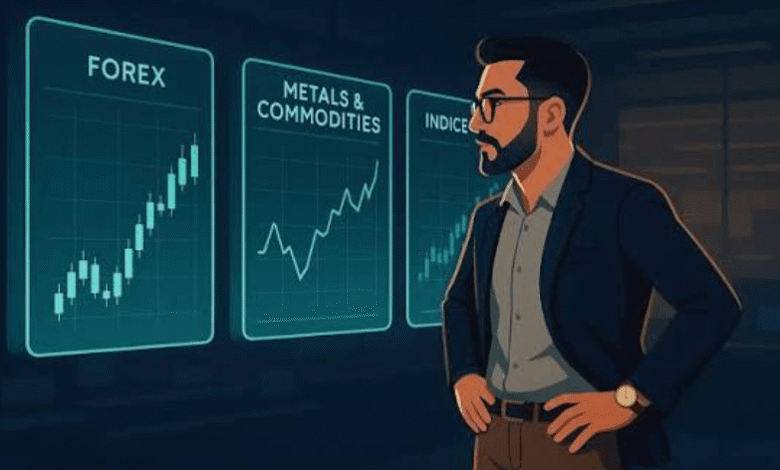
Choosing between futures and forex is one of the most important decisions you can make as a trader. The futures and forex markets may have some similarities, but there are important differences between them, including the hours you can trade, the liquidity, the leverage, the regulation, and the overall trading experience. Understanding these differences will help you focus on the markets that enable you to reach your financial goal, trading style, and risk appetite. Don’t chase the crowd or follow what other traders have done. Rather, use the attributes that best suit you. Knowing the pros and cons of each market will help your futures vs forex decision.
Here are five key factors to consider when deciding which market is the better fit for your trading goals.
Consider Your Trading Objectives
Consider your financial objectives first before deciding on futures vs forex. Futures offer excellent product diversification if you prefer trading a variety of asset classes such as commodities, stock indices, energy products, or interest rates. However, if you are a currency trader in mind, you want access to dozens of major, minor, and exotic currency pairs on a 24/5 basis. Think about whether you want to be sparing your focus or if you want to use the futures market, after we discuss the benefits, as well. Choosing a market that aligns with your objectives gives you a better starting point for consistent trading and long-term growth.
Compare Market Structure and Transparency
A key difference between futures vs forex is how trades are executed. Futures trade on centralized exchanges, and all prices, volumes, and open interest are available to all. Forex is an over-the-counter, decentralized network of banks, brokers, and other financial institutions. Forex offers great liquidity, but requires a bit of back-office lingo to navigate, and the prices can differ slightly between brokers. The differences between the markets translate into different structures and benefits. It will help you trade with greater confidence if you understand the differences. You may prefer the price discovery of a centralized market, or the liquidity of a global decentralized market.
Evaluate Costs and Trading Platforms
Your trading costs will have a huge impact on your long-term profitability, so they’re an important part of the futures vs forex decision. Futures traders typically pay exchange fees and commissions, but they also enjoy highly transparent pricing on regulated exchanges. Forex deals with tight spreads and lower entry costs, but fees vary from broker to broker and account type to account type. The right trading platform is also essential for successful trade execution, and many traders use Flipper to access brokers, trading tools, and market data. When deciding between futures vs forex, don’t just look at commission fees. Examine the speed of order execution, the reliability of the platform, the strength of the analytical tools, and the overall cost of trading.
Understand Risk, Leverage, and Capital Requirements
Both markets enable traders to control larger positions for relatively small amounts of capital through leverage. Leverage can boost gains as well as amplify losses. Futures contracts have standardized margin requirements and calculation methods depending on the contract. Forex brokers have margin and leverage requirements which may differ depending on your jurisdiction. But before you choose between futures vs forex, you must honestly evaluate your experience, capital at hand, and ability to consistently manage risk. Position sizing and proper risk sizing, including stop losses, is critical in either market.
Match the Market to Your Trading Style
Your trading style should play a major role in the futures vs forex decision. Most day traders are attracted to the forex market for the benefits of liquidity and the long hours for trading. Futures traders are usually fond of the standardized contracts and the large price swings during the futures exchange trading session. Swing traders, scalpers, and long-term traders also need to consider the issues of volatility, trading hours, and what instruments are available. The best choice is the markets which suit the trader’s personality, trading style, routine and long-term objectives.
Conclusion
The futures vs forex decision doesn’t have a definitive answer because each trader’s goals and tastes differ. By taking into account your goals, market structure, trading costs, risk, and even the market’s suitability to your trading style, you’re able to make a better decision. Researching both markets before investing provides the necessary confidence and strategy to achieve long-term success in trading. Whether it is futures or forex, disciplined execution and continuous learning are what make a trader more successful.