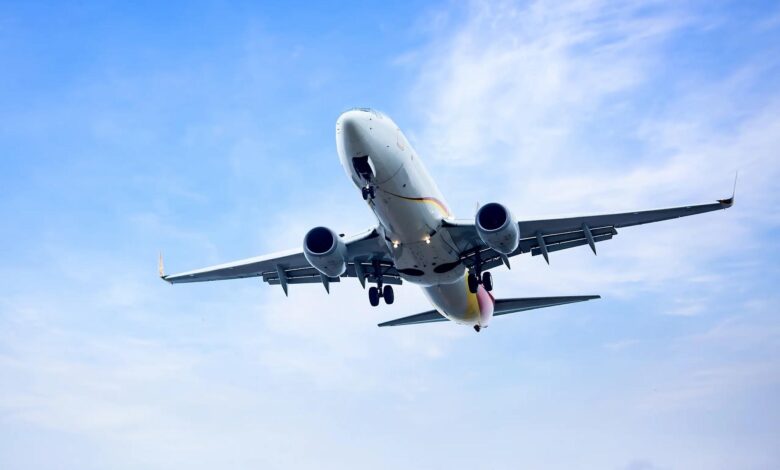
Air travel has become more accessible, and social media plays an increasingly important role in how people discover destinations, plan holidays, and share their experiences. Platforms such as Instagram, Facebook, TikTok, and Pinterest allow travelers to explore new places through photos, videos, reviews, and personal recommendations.
Instead of relying exclusively on traditional travel guides, many people now look to social media for inspiration. A short video showing a beautiful beach or a popular city attraction can encourage someone to book a flight and start planning their next adventure. This connection between digital platforms and aviation has changed the way people approach travel.
Discovering New Destinations Online
Social media makes discovering unfamiliar destinations easier than ever. Travel bloggers, influencers, airlines, and tourism organizations regularly publish content highlighting interesting places around the world.
Airports and airlines also use these platforms to promote new routes, seasonal offers, and travel opportunities. For example, someone researching regional airports might search for information about where can you fly to from newquay before deciding on a destination. Online discussions, destination photos, and traveler recommendations can help make that decision easier.
This combination of practical information and visual inspiration allows potential passengers to compare destinations and discover places they might not have considered previously.
The Role of Airlines on Social Media
Airlines increasingly recognize social media as an important communication and marketing channel. Their accounts provide updates about flight schedules, new destinations, baggage policies, promotional offers, and airport services.
These platforms also give passengers a convenient way to ask questions and receive assistance. Quick responses to customer inquiries can improve the overall travel experience and help airlines build stronger relationships with their audiences.
Engaging content also encourages travelers to interact with airline brands. Competitions, travel photography campaigns, and destination guides can generate conversations while increasing brand visibility.
See also: Cryptopronetwork.Com Technology
Sharing Travel Experiences
For many passengers, the travel experience does not end when they arrive at their destination. Sharing photos, videos, and personal recommendations has become a natural part of modern tourism.
Passengers often document their airport experiences, aircraft views, meals, accommodation, and sightseeing activities. This user-generated content can inspire other people to visit the same destinations.
Social media engagement also creates opportunities for travelers to exchange useful advice. They can discuss airport facilities, recommend restaurants, share transportation tips, and warn others about potential travel difficulties.
Technology and the Future of Air Travel
The relationship between aviation and social media will likely become even stronger as digital technology develops. Airlines may introduce more personalized content, interactive booking experiences, and automated customer support.
At the same time, travelers will continue using online communities to research destinations and make informed decisions. Authentic recommendations and real passenger experiences will remain valuable sources of information.
Conclusion
Social media has become an important part of modern air travel, influencing everything from destination discovery to customer communication. Airlines can use digital platforms to connect with passengers, while travelers benefit from accessible information and shared experiences. As technology continues to evolve, social media will remain closely connected to the way people plan, experience, and remember their journeys.