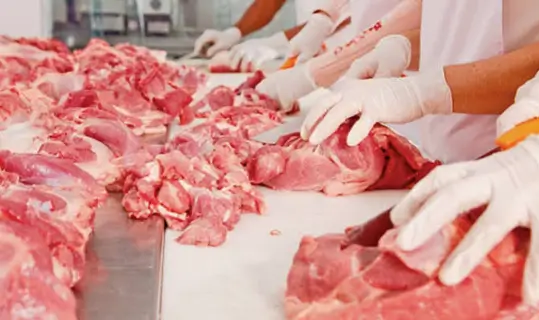
Maintaining meat quality requires attention at every stage, from purchasing and transportation to storage, thawing, and cooking. Even a suitable cut can lose quality if it is exposed to inappropriate temperatures or handled carelessly. For households and commercial kitchens, understanding this process helps protect both the eating experience and food safety.
Beef is especially versatile because it can be prepared using many cooking methods. However, different cuts have different requirements, and the storage approach should match the product’s intended use.
A consistent handling routine helps reduce avoidable quality problems while making it easier to plan meals and manage inventory.
Begin With Careful Product Inspection
The first opportunity to protect quality occurs when a product is received. Buyers should check the packaging, product description, quantity, and storage information.
Packaging should be intact and suitable for the product. Damaged seals, leakage, or unclear labels may require further investigation before the product is accepted into normal storage.
For commercial kitchens, a documented receiving procedure helps ensure that employees follow the same checks. The procedure may include recording delivery details, inspecting the packaging, and verifying temperature conditions according to the business’s food safety requirements.
Households can use the same basic principles when unpacking grocery purchases. Perishable products should be placed into suitable refrigerated or frozen storage promptly rather than left in a warm environment.
Understand the Importance of Temperature Control
Temperature influences both food safety and product quality. Refrigeration slows microbial growth, while freezing slows it substantially when the product is maintained at a suitable temperature.
For long-term frozen storage, 0°F (-18°C) or below is generally recommended. Stable conditions help preserve quality, while repeated temperature fluctuations may contribute to unwanted changes in texture and appearance.
Keep the cold chain intact
The cold chain involves maintaining appropriate temperature conditions during transportation, receiving, and storage. If meat becomes warmer than intended during delivery, its subsequent storage may not reverse the effects of that exposure.
Commercial buyers should understand the supplier’s delivery procedures and use appropriate checks when receiving stock. Any temperature concerns should be handled according to established food safety guidance.
Monitor storage equipment
Freezers should be checked regularly to ensure that they maintain the required temperature. A reliable thermometer or suitable monitoring system can help identify problems early.
Avoid overloading storage equipment in a way that interferes with air circulation. Keep doors closed as much as possible and investigate unusual temperature readings promptly.
Respond to equipment failures carefully
If a freezer loses power, the safety of the contents depends on factors such as the duration of the interruption, the temperature reached, and whether the food remained frozen.
Follow recognized food safety guidance when deciding what to keep or discard. Do not rely on smell, color, or taste alone to determine whether meat is safe.
Packaging and the Preservation of Quality
Packaging protects beef from direct exposure to air and helps prevent contamination during storage. Suitable freezer packaging can reduce freezer burn, which occurs when exposed areas lose moisture and become dry or discolored.
Use packaging designed for freezing and ensure that seals are secure. Where appropriate, remove excess air without damaging the product.
Labels should identify the cut and include relevant storage dates. This information supports stock rotation and helps ensure that the correct product is selected for the intended recipe.
For commercial operations, standardized packaging and labeling can also improve portion control. Staff can identify the amount available without repeatedly opening or handling products.
Handling Frozen Beef Correctly
Freezing is only one stage of the process. Once beef is removed from the freezer, it must be handled according to a suitable thawing method.
See also: Cryptopronetwork.Com Technology
Refrigerator thawing
Thawing in the refrigerator is generally preferred because it maintains a controlled, cold environment. Place the package in a tray or container so that juices do not contact other foods.
The time required depends on package size and thickness. Planning ahead is preferable to using an unsafe shortcut when a meal needs to be prepared quickly.
Cold-water thawing
Cold-water thawing can be used when the meat is in a leakproof package and the water is changed regularly. The product should be cooked promptly after thawing by this method, following recognized food safety guidance.
Microwave thawing
A microwave can provide a faster option for suitable products. Because parts of the meat may begin warming during thawing, the product should be cooked immediately afterward when required by the method.
Leaving beef on a kitchen counter to thaw at room temperature is not recommended. The surface may become warm enough to support bacterial growth while the interior remains frozen.
Choose the Right Cooking Method
Cooking affects the texture, flavor, and overall quality of beef. The selected method should suit the cut.
Tender cuts may work well for grilling, pan-searing, or quick stir-frying. Cuts with more connective tissue often benefit from slower cooking, which gives them time to become tender.
For stir-fries, prepare the ingredients before heating the pan and cook the beef in manageable batches. For stews, maintain gentle heat and allow sufficient time for the texture to develop.
A food thermometer provides a more reliable indication of safe cooking than color alone. Follow appropriate recommendations for the specific product, since whole cuts and ground beef have different internal temperature requirements.
After cooking, handle leftovers carefully. Refrigerate them promptly in suitable containers and reheat thoroughly before serving.
Choosing Products With Clear Information
Product information helps buyers understand what they are purchasing and how it should be stored. Useful details may include the cut, package size, handling instructions, and other information relevant to the intended use.
Customers comparing frozen beef hong kong can examine available products and determine which options suit their recipes, purchasing schedule, and storage capacity.
Before ordering, check the product details and delivery arrangements. Businesses purchasing larger quantities should consider how products will be received, documented, and stored immediately after delivery.
Frequently Asked Questions
1. What causes freezer burn on beef?
Freezer burn occurs when exposed areas lose moisture during frozen storage, often because packaging allows too much air contact. Suitable packaging and stable temperatures help reduce the problem.
2. Can frozen beef be stored indefinitely?
Food maintained continuously at 0°F (-18°C) or below remains frozen, but quality can decline over time. Recommended storage periods vary according to the cut, packaging, and product guidance.
3. Why should thawed beef not be left on the counter?
Room-temperature thawing can allow the outer surface to warm into conditions that support bacterial growth while the center remains frozen. Refrigerator thawing is generally the preferred method.
Conclusion
Maintaining beef quality requires a consistent approach from delivery through storage and preparation. Careful inspection, suitable packaging, temperature monitoring, safe thawing, and appropriate cooking methods all contribute to dependable results.
Freezing can provide useful storage flexibility, but it does not remove the need for safe handling. By following clear procedures and paying attention to product information, households and food businesses can reduce waste, protect quality, and prepare meals with greater confidence.