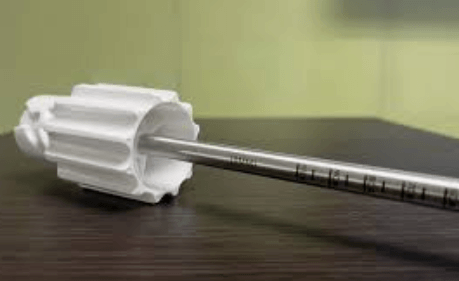
When designing a modern hardware product, engineers often face a tough challenge: how do you combine the structural strength of metals or the conductivity of electronics with the lightweight flexibility of plastics?
Traditionally, the answer was manual assembly. You would mold the plastic shell, drill holes, and use screws, glue, or thermal press machines to force metal pieces into place.
However, manual assembly increases production time, introduces human error, and creates weak joints. Insert molding eliminates these secondary steps entirely by joining different materials together right inside the injection molding machine.
What is Insert Molding?
Insert molding is a manufacturing process where a pre-formed component (the “insert”) is placed into a mold cavity before molten plastic resin is injected. As the plastic fills the mold and solidifies, it completely encapsulates or bonds with the insert, creating a single, unified, multi-material part.
The inserts themselves can be made from various materials, including:
- Metals: Brass threaded inserts, stainless steel pins, bushings, and structural brackets.
- Electronics: Wiring harnesses, circuit boards ($PCBs$), and copper battery contacts.
- Other Plastics: Combining a hard plastic core with a softer plastic exterior.
Mastering the Insert Molding Core Techniques
To successfully execute this process without damaging your hardware or creating weak parts, manufacturers focus heavily on two main production workflows.
For those looking to optimize their manufacturing pipeline, mastering insert molding involves understanding the precise mechanical balance between manual and automated techniques:
1. Hand-Loaded (Manual) Insert Molding
In low-volume production or prototyping setups, a human operator manually places the metal or electronic inserts into the mold core using specialized tweezers or alignment pins before each injection cycle.
- Pros: Low setup cost; ideal for small production runs (100 to 5,000 units).
- Cons: Increases cycle times and relies heavily on operator consistency.
2. Automated (Robotic) Insert Molding
For massive, high-volume production, high-speed robotic arms pick up the inserts from a vibrating tray, position them into the mold with micron-level accuracy within milliseconds, and repeat the process endlessly.
- Pros: Extremely fast cycle times; flawless consistency.
- Cons: High upfront investment in robotic tooling.
[Load Insert into Metal Cavity] ➔ [Clamp Mold Shut] ➔ [Inject Molten Resin] ➔ [Eject Finished Single Part]
The Major Benefits of Insert Molding
Why should a small business or hardware startup pivot to insert molding instead of sticking to standard plastic assembly? The operational rewards are substantial:
- Drastically Reduced Labor Costs: By eliminating secondary assembly steps (like gluing, pressing, or ultrasonic welding after the part is made), you cut down on workshop labor hours.
- Superior Mechanical Strength: Because the molten plastic shrinks slightly around the metal insert as it cools, it creates a tight, mechanical lock. The insert is much harder to pull out or twist out compared to a post-molded glued piece.
- Compact, Lightweight Designs: It allows designers to integrate metal threads or wiring paths directly inside thin plastic walls, saving valuable space in consumer electronics or automotive housings.
Engineering Safeguards: Avoiding Trapped Air and Part Deflection
While insert molding is incredibly efficient, placing a cold, solid piece of metal into a path of rushing, hot liquid plastic introduces complex engineering variables. The metal insert can block the flow of the plastic, create unexpected temperature drops, or shift out of position due to the high injection pressure.
To prevent these manufacturing defects, engineers rely on advanced pre-production software. Consulting a comprehensive mold flow simulation guide allows design teams to digitally predict how the liquid resin will wrap around the insert.
The software highlights whether the plastic will form weak weld lines on the back side of the insert, or if the pressure will cause the insert to bend (part deflection), giving you the data needed to fix the gate placements before cutting real metal molds.
See also: cryptopronetworkcom
When Should You Use Insert Molding? (Best Use Cases)
| Use Case Scenario | Is Insert Molding Recommended? | Why / Why Not |
| Threaded Plastic Openings | Yes (Highly Recommended) | Standard plastic threads wear down easily. Molding a brass threaded insert into the part ensures it can be screwed and unscrewed thousands of times without stripping. |
| Handheld Tools & Knobs | Yes | Securing a metal screwdriver shaft or a threaded bolt directly inside a plastic or rubberized handle handle. |
| Encapsulated Electronics | Yes | Perfect for making waterproof medical sensors, key fobs, and heavy-duty industrial plugs where moisture must be sealed out. |
| Simple, All-Plastic Enclosures | No | If the part has no metal interfaces, wiring, or structural load points, standard injection molding is cheaper and faster. |
Final Verdict
Insert molding is the ultimate way to elevate the premium feel, durability, and structural complexity of your hardware products. By combining multiple manufacturing steps into a single injection cycle, it slashes assembly labor, eliminates weak joint interfaces, and streamlines your inventory tracking.
When paired with modern design validation tools like mold flow simulations, insert molding allows small businesses and independent hardware creators to deliver industrial-grade, retail-ready products efficiently and affordably.